When a loved one experiences a brain injury, the journey toward recovery can feel overwhelming for the entire family. The path is often complex, requiring specialized medical attention and intensive therapy. During this critical time, family involvement is not just beneficial; it is a powerful component of the healing process. Your presence, support, and active participation can significantly impact your loved one’s progress. For medically complex patients with brain injury seeking specialized LTAC for brain injuries in Charleston, understanding how to remain engaged is the first step. At AMG, we recognize that recovery is a collaborative effort, and this guide explains how families can stay deeply involved during their loved one’s treatment during their time with a medically complex patient LTAC that provides care to patients with brain injuries who need medical level care.
Understanding the Purpose of a Brain Injury LTACH

After initial stabilization in a traditional hospital, patients with severe brain injuries often require a level of care that is more intensive and specialized. This is where a Long-Term Acute Care Hospital (LTACH) plays a vital role. An LTACH is designed for patients with complex medical needs who require extended hospital stays, typically averaging 25 days or more.
Unlike a standard hospital or a short-term rehabilitation facility, a brain injury LTACH provides hospital-level care combined with intensive therapeutic services. It is the ideal setting for post-acute care for brain injuries, offering a bridge between the ICU and a return home or to a lower level of care. These facilities are staffed by a multidisciplinary team of experts, including physicians, nurses, respiratory therapists, and rehabilitation specialists who work together to manage complex medical issues while promoting recovery.
At an LTACH like AMG, patients receive around-the-clock nursing and respiratory care, which is crucial for individuals who may be ventilator-dependent or have other significant medical needs following a brain injury.
How to Stay Involved in LTAC for Brain Injuries in Charleston
Active family participation is a cornerstone of successful recovery. Your involvement provides emotional stability for your loved one and ensures you are an informed partner in their care. Here are specific ways you can stay involved.
Partner With the Care Team
One of the most impactful things you can do is build a strong partnership with the medical team. This collaboration ensures that care is aligned with your loved one’s unique needs and your family’s goals.
- Communicate Regularly: Attend care conferences and ask for regular updates. Don’t hesitate to ask questions about medical status, progress in therapy, and the overall treatment plan. Understanding the “why” behind treatments can empower you as an advocate.
- Share Important Information: You know your loved one best. Share insights into their personality, preferences, and pre-injury life. This information can help the team create customized care plans for neurological recovery in Charleston that are truly patient-centered.
- Designate a Point Person: To streamline communication, it can be helpful for the family to designate one or two primary contacts to interact with the care team. This ensures information is consistent and reduces confusion.
Participate in Brain Injury Rehabilitation Services
Rehabilitation is at the heart of recovery in an LTACH setting. Family involvement can enhance the effectiveness of these therapies.
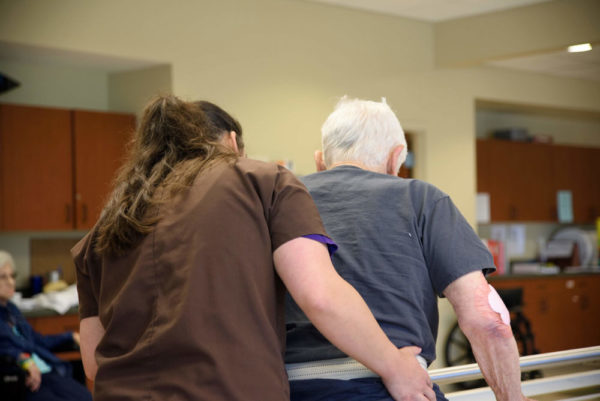
- Observe Therapy Sessions: With permission from the therapy team, observing physical, occupational, or speech therapy sessions can give you a better understanding of the goals and challenges. This knowledge will be invaluable when your loved one transitions to the next stage of care.
- Learn from the Therapists: Ask therapists to show you how to assist with certain exercises or communication techniques. Your participation can reinforce what is being taught in sessions, helping to accelerate progress. AMG’s family-inclusive therapy approach ensures you have the resources to support the journey.
- Celebrate Small Victories: Recovery from a brain injury is often a series of small steps. Acknowledge and celebrate every milestone, whether it’s a new word spoken or a small movement regained. Your encouragement provides powerful motivation.
Provide Consistent Emotional Support
The emotional and psychological impact of a brain injury is immense for both the patient and the family. Your consistent, loving presence is a source of comfort and stability.
- Be Present: Simply being there, holding a hand, or talking to your loved one can reduce feelings of isolation and fear. Even if they cannot respond, the familiarity of your voice and touch can be reassuring.
- Create a Healing Environment: Personalize their room with familiar items like photos, a favorite blanket, or soft music. These touches of home can create a more calming and less clinical atmosphere.
- Manage Your Own Well-being: Supporting a loved one through this journey is emotionally taxing. It is essential to take care of yourself, too. Utilize support networks, and remember that your well-being is crucial for providing sustained support to your loved one.
Preparing for the Next Steps

- Engage in Discharge Planning: Work closely with the case manager and social workers to understand the options for the next level of care. This may include an inpatient rehabilitation facility (IRF), a skilled nursing facility, or returning home with support. The team will help determine the most appropriate setting based on your loved one’’ needs.
- Connect With Resources: The journey doesn’t end at discharge. Ask the LTACH team for connections to community resources, such as local support groups from organizations like the Brain Injury Association of America. These networks can provide ongoing support and information for you and your family long after leaving.
- Receive Training: Before discharge, ensure you and other caregivers receive any necessary training. This could involve learning how to manage medications, assist with mobility, or operate special equipment. Feeling prepared can make the transition much smoother.
Your Partner in Recovery
The road to recovery after a brain injury is a marathon, not a sprint. As a family member, your role as an advocate, caregiver, and source of emotional strength is irreplaceable. By partnering with the care team, and preparing for the future, you become an active agent in your loved one’s healing journey. The path forward is made clearer and more hopeful when families and medical professionals work together.
AMG is committed to a family-inclusive approach to post-acute care for brain injuries. We provide expert medical care and empower families with the knowledge and support they need to navigate this challenging time.
If your loved one needs specialized LTAC for brain injuries in Charleston, contact AMG today or call 843-375-4000. Learn more about our comprehensive, compassionate care and how we partner with families to help patients regain health and independence.