A spinal cord injury (SCI) is a life-changing event, bringing physical and emotional challenges for the individuals affected and their families. However, with medical care and rehabilitation advances, there is hope for recovery and improvement. AMG is here to help provide insight into spinal cord injury recovery, prevention strategies, and the vital role long-term acute care hospitals (LTACHs) play in supporting those on the road to healing and independence.
Understanding Spinal Cord Injuries
A spinal cord injury occurs when damage disrupts the nerve pathways between the brain and the body. This can lead to partial or complete loss of sensation, mobility, or critical bodily functions below the level of the injury. The leading causes of SCIs include falls, car accidents, sports injuries, and acts of violence.
Types of Spinal Cord Injuries
- Incomplete Injuries: Some nerve signals can still travel through the spinal cord, allowing the possibility of partial recovery.
- Complete Injuries: All nerve pathways are severed, resulting in a total loss of function and sensation below the injury.
Spinal cord injuries are serious, but many are preventable. By understanding the risks and following safety measures, the likelihood of experiencing an SCI can be reduced significantly.

Can a Spinal Cord Injury Heal?
The question “Can a spinal cord injury heal?” doesn’t have a simple answer, as outcomes depend on the type and severity of the injury. While there’s no definitive cure, significant progress is possible in many cases, especially for incomplete injuries.
Factors That Influence Recovery
- Severity of the Injury: Individuals with incomplete injuries tend to have a better chance of regaining some function.
- Immediate Medical Care: Prompt treatment, like stabilizing the spine and reducing inflammation, is crucial for limiting further damage.
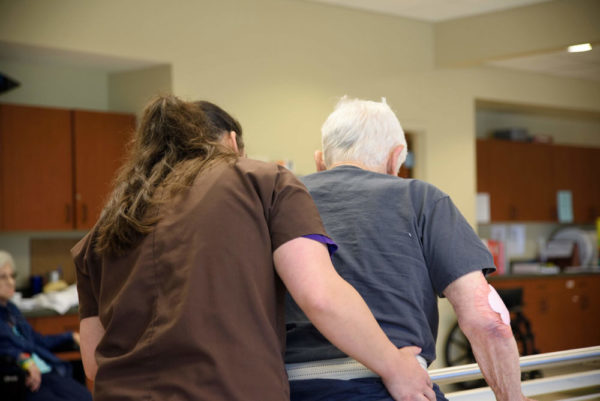
- Rehabilitation Efforts: Physical, occupational, and speech therapies are tailored to strengthen the body, restore skills, and promote independence.
Medical Advancements in SCI Recovery
- Stem Cell Therapy: Research into regenerating damaged spinal tissue is ongoing, offering hope for future breakthroughs.
- Exoskeletons and Assistive Devices: Innovative technologies help individuals regain mobility and perform everyday activities.
- Targeted Medications: Drug therapies are designed to reduce inflammation, manage pain, and encourage nerve regeneration.
Healing from an SCI is a gradual and personalized process. Recovery may not mean a full return to pre-injury function, but achieving greater independence and improved quality of life is absolutely possible.
How LTAC Hospitals Support Spinal Cord Injury Recovery
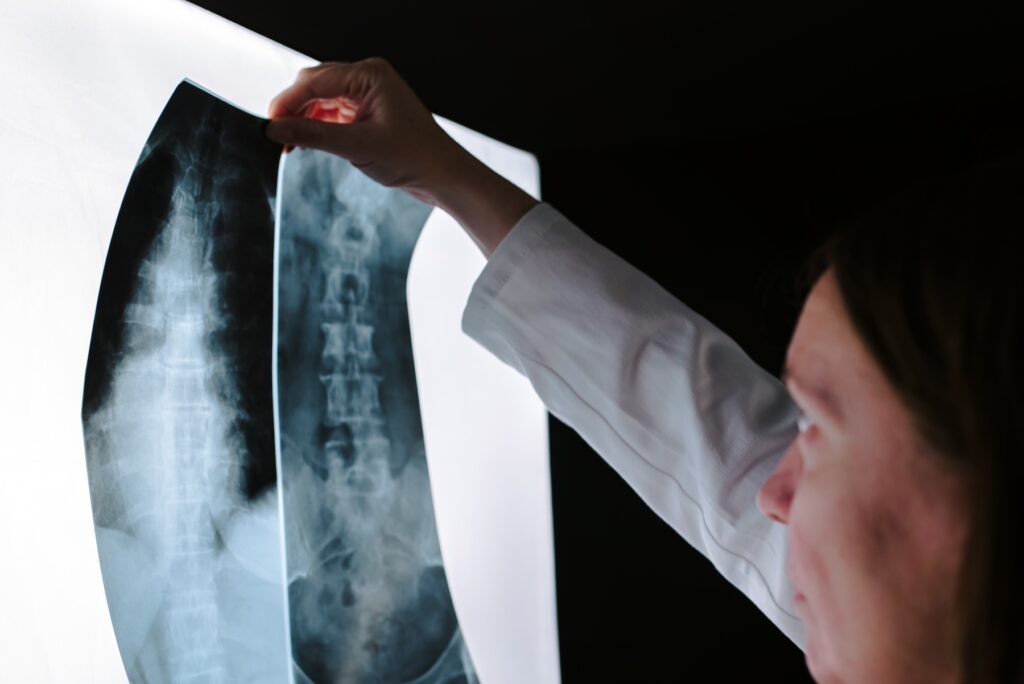
Long-term acute care hospitals specialize in managing medically complex conditions like spinal cord injuries. These facilities focus on extended rehabilitation and providing a structured environment tailored to helping patients recover.
Key Services at LTAC Hospitals
- Rehabilitation Programs: Physical, occupational, and speech therapies form the core of SCI recovery, helping patients rebuild strength and mobility.
- Advanced Respiratory Care: Many SCI patients face respiratory challenges requiring ventilator management or weaning, which LTAC hospitals are uniquely equipped to handle.
- Wound Care: Prevention and treatment of pressure ulcers and surgical wounds are meticulously managed to promote healing.
- Comprehensive Care Plans: A multidisciplinary team of physicians, nurses, and therapists collaborates to address every aspect of a patient’s recovery.
By combining cutting-edge medical care, personalized recovery plans, and compassionate support, LTAC hospitals foster an environment that maximizes patient outcomes.
The Importance of Early Intervention and Ongoing Care
Prompt medical attention following an SCI is critical for minimizing long-term damage. Emergency interventions, including spinal stabilization and anti-inflammatory treatments, lay the groundwork for recovery. However, once the initial phase of care ends, ongoing support through rehabilitation centers or an LTAC hospital becomes essential.
LTAC hospitals offer a structured pathway for continued progress, helping patients build strength, adapt to new abilities, and transition back to daily life.
Maintaining a Positive Mindset During Recovery
Recovery from a spinal cord injury extends beyond physical therapy and medical interventions. Emotional and mental health play a crucial role in staying motivated and resilient.

Here are some tips to encourage a positive outlook:
- Set Achievable Goals: Celebrate small milestones to maintain motivation.
- Build a Support System: Surround yourself with family, friends, and professionals who can uplift and guide you.
- Stay Engaged: Find hobbies or activities that bring joy and a sense of accomplishment.
- Seek Emotional Support: Counseling or support groups can provide comfort and strategies for coping with challenges.
A positive mindset, combined with proper medical care and support, can make a meaningful difference in the recovery process.
Hope and Recovery Are Within Reach
A spinal cord injury may bring uncertainty, but recovery is possible with the right combination of advanced medical care, rehabilitation, and emotional support. Long-term acute care hospitals play a vital role in this process, providing specialized services and tools to help patients achieve independence and improve their quality of life.
If you or a loved one is facing the challenges of an SCI, don’t hesitate to explore the comprehensive care options available at an LTAC hospital. Contact AMG for any questions. Remember — healing is a journey, and with the right care and determination, significant progress is within reach.